

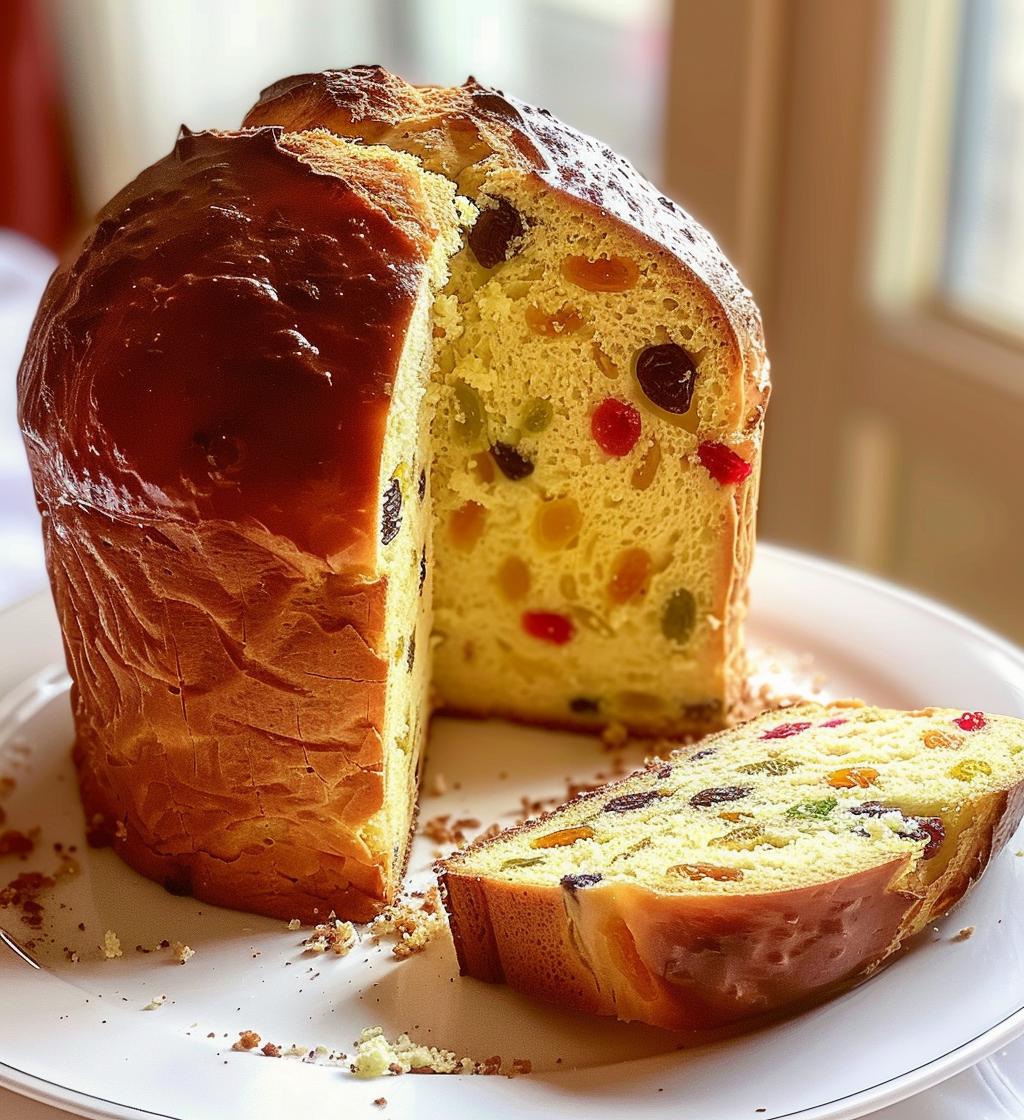
Ah, panettone! This delightful Italian sweet bread loaf has a rich history that dates back to the Renaissance in Milan. Traditionally enjoyed during the holidays, it’s more than just a treat; it’s a symbol of joy and togetherness. Imagine gathering around the table with family and friends, sharing slices of this fluffy, fragrant bread while laughter fills the air. The aroma of baked fruit and vanilla wafts through the room, creating an atmosphere that simply exudes warmth and love. Trust me, making your own panettone at home is not just about the delicious results, but about the memories you’ll create along the way. You’ll be amazed at how this classic dessert can elevate any festive occasion!
Ingredients List
Gathering the right ingredients is key to creating the perfect panettone. Here’s what you’ll need:
- 500g all-purpose flour: This will give your panettone its lovely structure and fluffy texture.
- 200ml warm water: Make sure it’s not too hot; just warm enough to activate the yeast!
- 100g sugar: This adds sweetness and helps with browning the crust.
- 100g unsalted butter, softened: Use good-quality butter for that rich flavor and tenderness.
- 4 large eggs: They’ll contribute to the moisture and richness. I always use room-temperature eggs!
- 10g active dry yeast: This is the magic that makes your dough rise and become fluffy.
- 200g mixed dried fruit: A combination of raisins, currants, and candied citrus peel gives your panettone a festive touch.
- 1 tsp vanilla extract: Adds a warm, aromatic flavor that complements the sweetness.
- 1/2 tsp salt: Don’t skip this—it balances the sweetness and enhances the flavors.
Having everything measured out and ready to go really makes the process smoother, so prep your ingredients before you start mixing!
How to Prepare Panettone
Now that you’ve gathered all your ingredients, let’s dive into the beautiful process of making your own panettone! It may seem a bit involved, but trust me, it’s absolutely rewarding. Follow these steps, and you’ll have a gorgeous loaf to share with loved ones.
Activating the Yeast
Start by activating your yeast. In a small bowl, combine the 200ml of warm water with a pinch of sugar. Sprinkle in the 10g of active dry yeast and let it sit for about 5–10 minutes. You’ll know it’s ready when it becomes frothy and bubbly—this means your yeast is alive and kicking!
Mixing the Dough
In a large mixing bowl, whisk together 500g of all-purpose flour, 100g of sugar, and 1/2 tsp of salt. This helps distribute the ingredients evenly. Next, create a well in the center and add the 4 large eggs, the softened 100g of butter, and your frothy yeast mixture. Mix everything together until it forms a sticky dough.
Kneading and Adding Flavors
Now comes the fun part—kneading! Flour your countertop lightly and turn out the dough. Knead it for about 10 minutes until it’s smooth and elastic. You’ll want to really work it to develop that beautiful texture. Once it’s ready, incorporate the 200g of mixed dried fruit and 1 tsp of vanilla extract, kneading gently until they’re evenly distributed throughout the dough.
Rising the Dough
Place your dough in a lightly greased bowl, cover it with a clean kitchen towel, and let it rise in a warm spot for about 2 hours. The dough should double in size, so keep an eye on it!
Shaping and Second Rise
Once your dough has risen beautifully, it’s time to shape it! Gently punch it down to release the air, then form it into a ball. Place the dough into a panettone mold (or a tall round cake pan) and cover it again with the towel. Let it rise for another 1 hour. It should puff up nicely!
Baking the Panettone
Preheat your oven to 180°C (350°F). Once the dough has risen for the second time, place it in the oven and bake for about 40–50 minutes. You’ll know it’s done when the top is golden brown and a toothpick inserted into the center comes out clean. Let it cool in the mold for a bit before transferring it to a wire rack to cool completely. Your kitchen will smell heavenly!
Tips for Success
Making the perfect panettone might feel a bit daunting at first, but with a few handy tips, you’ll be well on your way to baking a show-stopping loaf! Here’s what I’ve learned over the years:
- Temperature Matters: Make sure your kitchen is warm for the rising process. If it’s too cold, the dough will take longer to rise. You can even turn on the oven at its lowest setting for a few minutes, then turn it off and place your dough inside to rise.
- Knead with Love: When kneading, it’s all about the technique! Don’t just push the dough—fold it over and press it down. This will help develop the gluten and give you that lovely texture. You can also use the slap and fold method to really get it going!
- Be Patient with Rises: Don’t rush the rising times. A good rise is crucial for flavor and texture. If it takes a bit longer than expected, that’s perfectly fine. Just let it do its thing until it doubles in size.
- Check for Doneness: Keep an eye on your panettone while it bakes. Ovens can vary, so start checking a bit earlier than the suggested time. The top should be golden brown, and a toothpick should come out clean when inserted into the center.
- Cooling is Key: Once baked, let your panettone cool in the mold for about 10 minutes. Then, transfer it to a wire rack to cool completely. This helps prevent it from becoming soggy.
- Wrap It Up: If you want to keep your panettone fresh, wrap it tightly in plastic wrap once it’s completely cool. It’ll stay delicious for days, and you can even slice it and freeze it for later indulgence!
Follow these tips, and you’ll be amazed at how your homemade panettone turns out! It’s all about patience and love—just like any good recipe should be.
Nutritional Information
Understanding the nutritional content of your homemade panettone can help you enjoy it in moderation while still savoring every delicious bite! Here’s the estimated nutritional data for a serving size of one slice:
- Calories: Approximately 300
- Total Fat: 15g
- Saturated Fat: 9g
- Unsaturated Fat: 4g
- Trans Fat: 0g
- Cholesterol: 70mg
- Sodium: 200mg
- Carbohydrates: 35g
- Fiber: 1g
- Sugar: 10g
- Protein: 6g
Keep in mind that these values can vary based on the specific ingredients used and the size of your slices. Enjoy this festive treat as part of a balanced diet, and don’t hesitate to share it with loved ones!
FAQ Section
Got questions about making panettone? You’re in the right place! Here are some common queries I often hear, along with my answers to help you on your baking journey.
Can I use different fruits?
Absolutely! While traditional panettone often features mixed dried fruit, feel free to customize it with your favorites. Dried cherries, cranberries, or even chopped nuts can add a delightful twist. Just make sure to keep the total amount close to 200g to maintain the dough’s balance.
How do I store leftover panettone?
To keep your panettone fresh, wrap it tightly in plastic wrap or place it in an airtight container. It’ll stay delicious for several days at room temperature. If you want to keep it for longer, slice it up and freeze the pieces. Just thaw them in the fridge overnight when you’re ready to enjoy!
Can I make panettone in advance?
Yes, you can definitely make it ahead of time! Panettone actually tastes even better after a day or two as the flavors develop. Just remember to store it properly to keep it moist and tasty.
What if my dough doesn’t rise?
Don’t panic! If your dough isn’t rising, it might be due to the yeast being inactive. Make sure your water isn’t too hot when activating the yeast—aim for warm, not hot. If it still doesn’t rise, your yeast may be expired, so check the date on the package next time!
Can I use a different type of flour?
While all-purpose flour works best for panettone, you can experiment with bread flour for a slightly chewier texture. Just be aware that it might change the overall results a bit, but it’s all about finding what you love!
How long does it take to bake?
Baking time is usually around 40–50 minutes at 180°C (350°F). Keep an eye on it as ovens can vary. Look for that lovely golden brown color and a toothpick that comes out clean from the center!
Can I add spices to my panettone?
Definitely! A sprinkle of cinnamon or nutmeg can bring an extra layer of warmth and holiday cheer to your panettone. Just keep it subtle, so it doesn’t overpower the other flavors.
I hope these FAQs help you feel more confident in your panettone-making adventure! Remember, the most important ingredient is the love you put into it. Happy baking!
Why You’ll Love This Recipe
Making your own panettone at home is an experience filled with joy and deliciousness! Here’s why you’re going to fall in love with this recipe:
- Quick Preparation: With just a little time and a few simple steps, you can create a stunning loaf that will impress everyone!
- Delightful Flavors: The combination of buttery richness, sweet fruit, and a hint of vanilla creates a flavor that’s simply irresistible.
- Festive Spirit: Panettone is synonymous with celebrations, bringing warmth and cheer to any holiday gathering or family get-together.
- Customizable: You can easily tailor it to your taste by using different fruits or adding spices, making each loaf uniquely yours.
- Perfect for Sharing: There’s something special about slicing into a homemade panettone and sharing it with loved ones; it’s a true symbol of togetherness.
- Impressive Presentation: The tall, dome-shaped loaf looks so beautiful, it’s sure to be the centerpiece of your dessert table!
- Leftovers for Days: Enjoy it fresh, toasted, or as French toast the next morning—this bread is just as delightful on day two (or three!).
Trust me, once you try making panettone, you’ll find yourself wanting to bake it year after year. It’s a delicious way to create memories in the kitchen and share love with every slice!
Storage & Reheating Instructions
Once your beautiful panettone has cooled completely, it’s time to think about storing it! To keep all that deliciousness fresh, wrap it tightly in plastic wrap or place it in an airtight container. This will help maintain its moisture and flavor for up to a week at room temperature. If you’re like me and want to savor it even longer, you can slice it up and freeze those pieces. Just make sure to wrap each slice individually to prevent freezer burn!
When you’re ready to enjoy a slice, simply take it out of the freezer and let it thaw in the fridge overnight. If you’re craving that warm, fresh-baked vibe, you can pop a slice in the toaster for a few minutes or warm it gently in the oven at a low temperature (about 150°C or 300°F) for 5–10 minutes. Oh, the smell of warm panettone filling your kitchen again—it’s pure bliss!
Whether you’re enjoying it fresh or warmed up, panettone is a delightful treat that’s perfect for breakfast, an afternoon snack, or even dessert. Enjoy every bite and the lovely memories that come with it!